Um motor trifásico perde uma fase de alimentação enquanto funciona em plena carga. Ele continua girando, mas a corrente nas duas fases restantes aumenta para aproximadamente o dobro do valor nominal, os enrolamentos superaquecem e o motor pode queimar em minutos. Esta condição é chamada de monofásico: estado operacional de um motor trifásico no qual uma de suas três fases de alimentação é interrompida enquanto o motor continua funcionando nas duas fases restantes.
O que exatamente é fase única?
A fase única é uma falha na fonte de alimentação e não um defeito do motor. Ocorre quando um condutor de fase entre a alimentação e o motor é aberto enquanto os outros dois permanecem energizados. O motor ainda está conectado a um ponto de alimentação trifásico, mas recebe energia através de apenas duas linhas, criando um grave desequilíbrio de fase que altera o campo magnético do motor.
Para entender o modo de falha, é útil lembrar como funciona um motor assíncrono trifásico . Os três enrolamentos do estator estão dispostos em torno do estator de modo que correntes trifásicas equilibradas produzam um campo magnético rotativo. Quando um enrolamento é desenergizado, o rotor não vê mais um campo rotativo limpo. Em vez disso, aparece um campo pulsante com uma forte componente reversa, o que reduz o torque, aumenta o escorregamento e gera perdas adicionais no rotor.
Fase única paralisada
Se o motor estiver parado quando a fase for perdida, ele não poderá partir. Os dois enrolamentos energizados consomem uma corrente de rotor travado várias vezes maior que a corrente nominal, e o motor zumbe alto sem produzir torque suficiente para girar. Neste estado, a temperatura do enrolamento pode atingir um nível perigoso em segundos.
Fase única durante a execução
Se o motor já estiver funcionando, a inércia mantém o rotor girando e o motor continua operando com duas fases. Os dois enrolamentos restantes devem fornecer toda a potência mecânica, de modo que a corrente de fase aumente para 1,7 a 2,0 vezes a classificação nominal. O motor desenvolve uma vibração de 100 Hz ou 120 Hz e uma mudança audível no zumbido, dependendo da frequência da linha local. As temperaturas do estator e do rotor aumentam rapidamente.
O que causa a fase única?
A fase monofásica origina-se a montante do motor, geralmente na rede de alimentação, quadro de distribuição, fusíveis ou fiação. As causas mais comuns são:
- Um fusível queimado em uma fase, geralmente devido a um curto-circuito, um fusível defeituoso ou um fusível superdimensionado que mascara a falha original
- Conexões soltas ou corroídas em blocos de terminais, terminais de contatores ou chaves seccionadoras
- Um pólo com falha de um contator magnético causado por desgaste, corrosão ou contator de tamanho inadequado
- Um condutor quebrado, isolamento do cabo danificado ou emenda inadequada no circuito derivado do motor
- Um evento de utilidade monofásica, como uma linha caída, operação de fusível do transformador ou falha no religador
- Uma chave seccionadora com uma fase presa aberta ou um conjunto de lâminas não fechando completamente
Em instalações reais, terminações soltas e fusíveis queimados são responsáveis pela maioria dos casos. O ciclo térmico e a vibração afrouxam as conexões com o tempo, e um único terminal superaquecido pode abrir uma fase sem aviso prévio.
Por que a fase única destrói os enrolamentos do motor
O mecanismo destrutivo é melhor expresso em watts de calor. A perda de cobre num enrolamento é igual a I²R, portanto, quando a corrente duplica, o calor gerado nesse enrolamento quadruplica. Em carga nominal total, um motor monofásico empurra 1,7 a 2,0 vezes a corrente nominal através das duas fases saudáveis. O calor do enrolamento aumenta para três ou quatro vezes o nível normal e a temperatura do isolamento sobe muito acima do limite de projeto.
O isolamento do motor é classificado pela sua temperatura máxima de ponto quente: a Classe B é classificada para 130 °C e a Classe F para 155 °C. Com corrente nominal duas vezes, esses limites são alcançados em minutos. O isolamento degrada-se, enfraquece e eventualmente falha como um curto-circuito entre espiras ou uma falha à terra. O motor normalmente não pode ser reparado.
O lado mecânico também sofre. O torque pulsante causado pelo campo desequilibrado cria tensões cíclicas nos acoplamentos, polias e equipamentos acionados. Mesmo quando o motor sobrevive a um breve evento monofásico, o maquinário conectado pode desenvolver danos por fadiga.
Como detectar fase única
A maneira mais rápida de confirmar a fase única é medir a corrente em todos os três condutores da linha. Em um motor monofásico, a corrente flui em apenas duas linhas, enquanto a terceira indica quase zero. As verificações de tensão nos terminais do motor mostram uma fase igual ou próxima de zero.
- Amperímetro alicate: lê as três correntes de linha; um motor saudável consome correntes equilibradas, um motor monofásico consome corrente apenas em duas linhas
- Voltímetro: verifique L1-L2, L2-L3 e L1-L3 nos terminais do motor; uma leitura será próxima de zero
- Imagem térmica: a caixa do motor ficará visivelmente mais quente perto dos enrolamentos que transportam o excesso de corrente
- Som e vibração: um zumbido pronunciado de frequência de linha dupla (100 Hz ou 120 Hz) com vibração forte é um sintoma clássico
- Inspeção de dispositivos a montante: um único fusível queimado ou um pólo do contator queimado revela a fonte
Adicionar registro de corrente e varreduras infravermelhas a um cronograma de manutenção de rotina ajuda a detectar fases únicas antes que se torne uma falha do motor.
Como proteger motores de fase única
Proteger um motor de fase única significa detectar a perda de uma fase e desconectar o motor antes que o enrolamento atinja seu limite térmico. Um esquema de proteção robusto combina vários elementos:
- Relé de monitoramento de falha de fase: verifica continuamente todas as tensões das três fases e desativa o contator dentro de 0,5 a 2 segundos quando uma fase é perdida
- Relé de sobrecarga tripolar: mede a corrente nas três fases; escolha um modelo com sensibilidade à perda de fase para desarmar mais rápido durante um desequilíbrio de fase
- Fusíveis e contatores corretamente coordenados: garantem que uma falha de fase cancela a proteção em vez de continuar a alimentar um motor sobrecarregado
- Manutenção periódica: reaperte os terminais, substitua os contatos desgastados do contator e inspecione os porta-fusíveis em intervalos regulares
O design do motor também contribui para a sobrevivência. Um motor com uma margem térmica generosa, isolamento de alta qualidade e enrolamentos eficientes pode suportar breves eventos de linha que matariam um motor construído com tolerâncias mínimas. Muitos OEMs agora padronizam máquinas de eficiência premium, como a motor trifásico totalmente fechado de alta eficiência da Waylead Electric, por esse motivo.
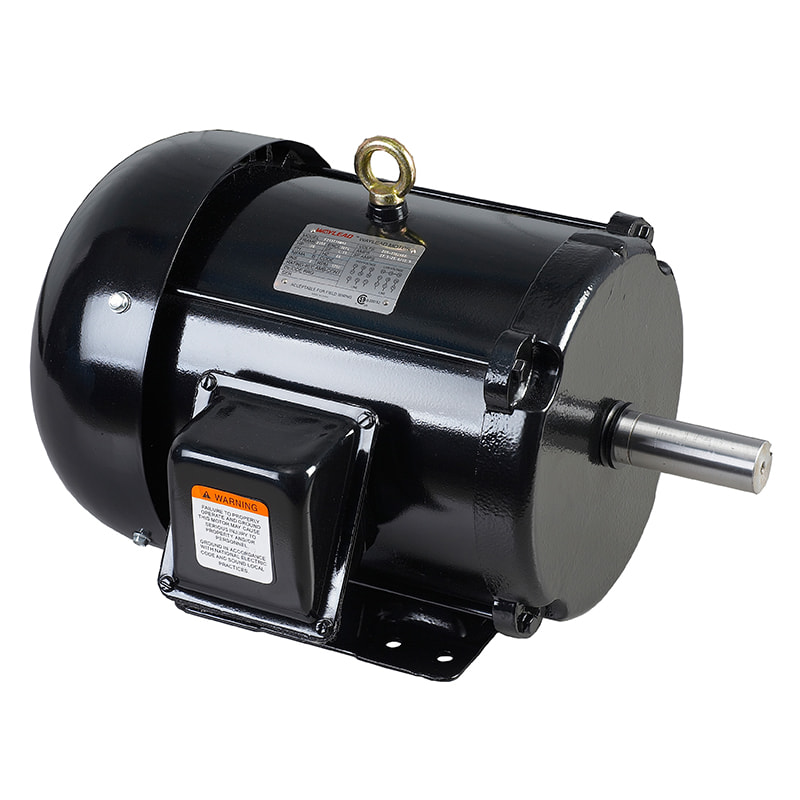 Fornecedores de motores trifásicos totalmente fechados OEM de alta eficiência, empresa - Cixi Waylead Electric Motor Manufacturing Co., Ltd é uma empresa e fornecedor de motor trifásico totalmente fechado OEM da China, detalhado ... Ver Produto →
 Operação normal versus fase única: uma comparação lado a lado
A tabela abaixo compara o comportamento de um motor trifásico sob alimentação balanceada e durante monofásico com carga nominal total.
| Parâmetro | Operação normal | Fase única |
|---|---|---|
| Linhas de abastecimento energizadas | 3 | 2 |
| Corrente de linha | Valor avaliado | 1,7 a 2,0 vezes avaliado ou mais |
| Temperatura do enrolamento | Estável dentro da classe de isolamento | Sobe rapidamente acima do limite nominal |
| Torque | Constante e suave | Pulsando com o dobro da frequência da linha |
| Vibração e ruído | Zumbido baixo e constante | Vibração forte e zumbido anormal |
| Risco de esgotamento | Baixo com proteção correta | Alto, a menos que a proteção seja acionada |
Perguntas frequentes
Um motor monofásico pode sofrer monofase?
Não. Fase única é um termo que se aplica especificamente a motores trifásicos. Um motor monofásico pode enfrentar um problema de superaquecimento semelhante se seu enrolamento de partida falhar ou seu capacitor de operação abrir, mas a causa e a abordagem de proteção são diferentes.
Quanto tempo um motor pode funcionar monofásico?
Em plena carga, um motor pode atingir o limite térmico do enrolamento em apenas dois a cinco minutos. Com carga leve, ele pode continuar funcionando por horas sem tropeçar, mas o calor sustentado danifica lentamente o isolamento e reduz a vida útil do motor. Qualquer condição prolongada de fase única deve ser tratada como grave.
Um relé de sobrecarga padrão protegerá contra fase única?
Nem sempre. Um relé de sobrecarga bipolar não pode detectar a perda de uma fase na linha desprotegida, portanto pode não desarmar. Um relé tripolar é mais eficaz, especialmente com sensibilidade de perda de fase, mas ainda pode responder lentamente em carga parcial. Um relé de falha de fase dedicado fornece a proteção mais rápida e confiável.
Escolhendo um motor que lide com as condições de fornecimento do mundo real
A fase única é uma falta do lado da alimentação, mas o motor é o componente que paga por isso. A estratégia mais econômica é prevenir a falta através de um relé de falha de fase, proteção tripolar contra sobrecarga e inspeção regular das conexões e fusíveis a montante do motor.
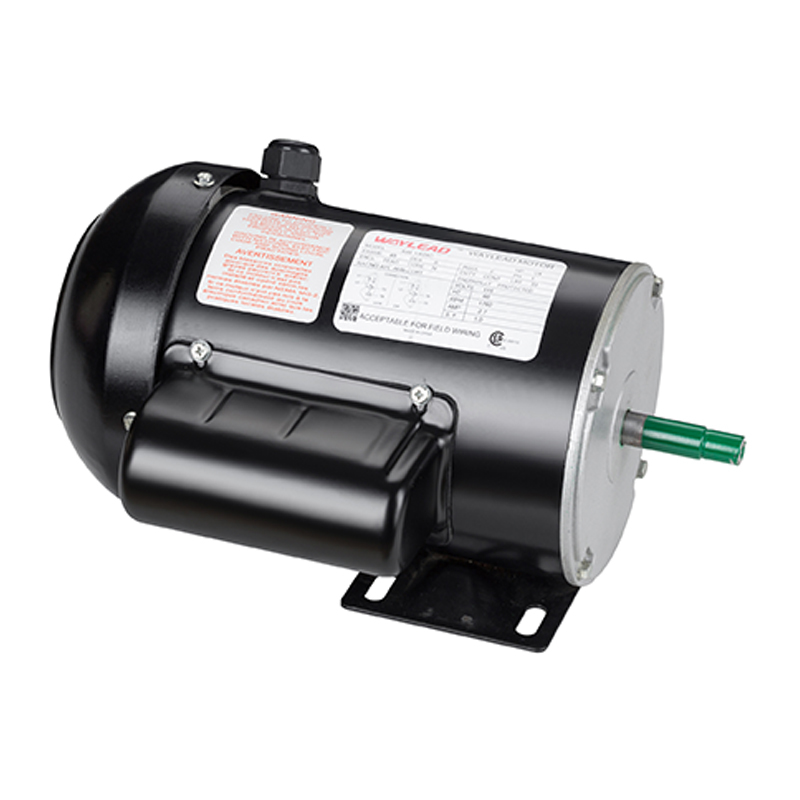
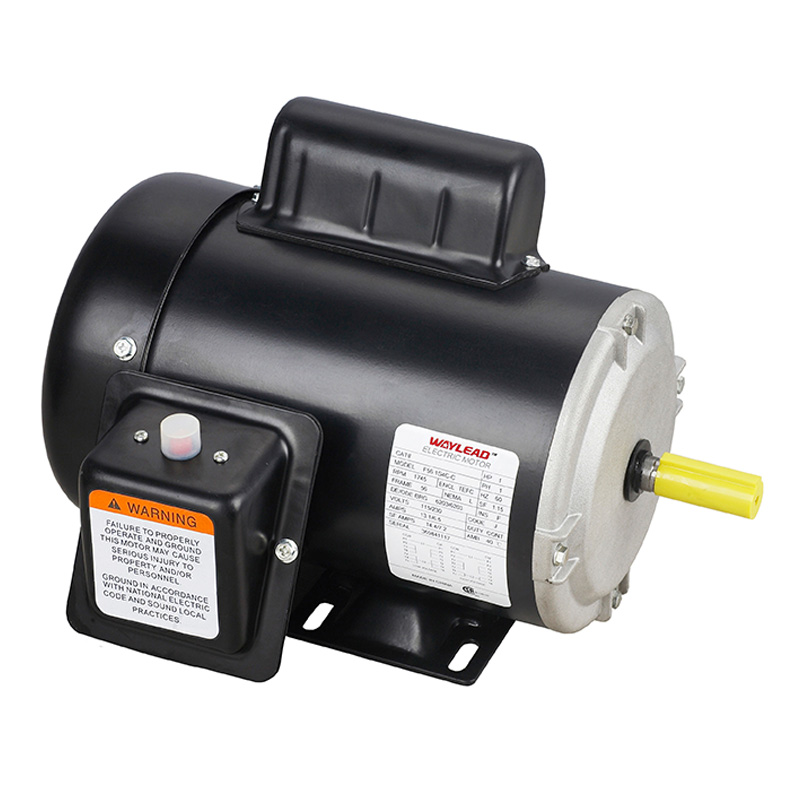
Para novas instalações, um motor com design térmico robusto acrescenta uma margem extra de segurança em condições de alimentação deficientes. A Waylead Electric fabrica motores trifásicos para aplicações de serviço contínuo em bombas, compressores, ventiladores e máquinas-ferramentas. O motor trifásico de potência fracionária de eficiência premium cobre a menor faixa de potência em uma estrutura totalmente fechada, enquanto o Motor de eficiência premium IEC IE3 oferece a mais alta classe de eficiência para equipamentos com padrão IEC. Você pode explorar o linha completa de motores trifásicos no site da empresa.
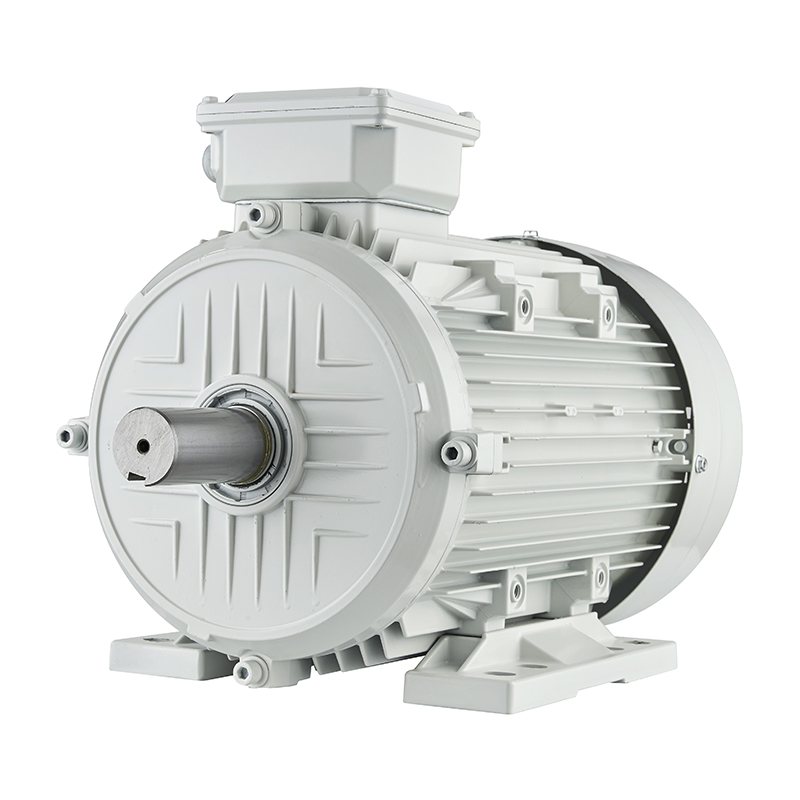 Fornecedores de motores de eficiência premium OEM IEC/IE3, empresa - Cixi Waylead Electric Waylead Electric Motor Manufacturing Co., Ltd é uma empresa e fornecedora de motores de eficiência premium OEM IEC/IE3 da China, detalhe:Características:Potência: ... Ver Produto →
 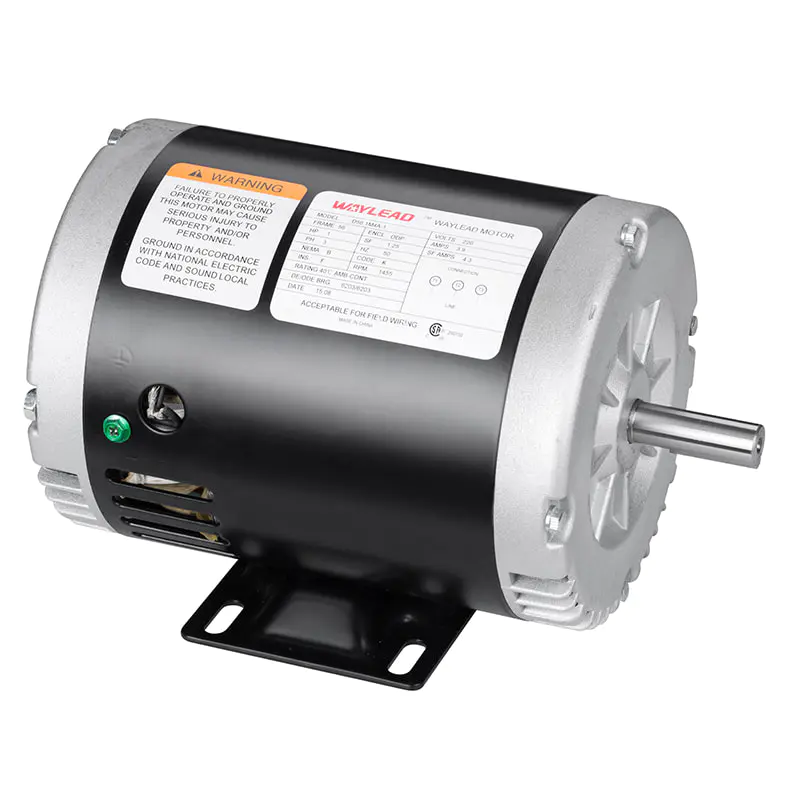 Fornecedores de motores de eficiência premium de potência fracionária trifásica OEM, Compan Waylead Electric Motor Manufacturing Co., Ltd é um fornecedor e empresa de motor de eficiência premium de potência fracionária trifásica OEM da China ... Ver Produto →